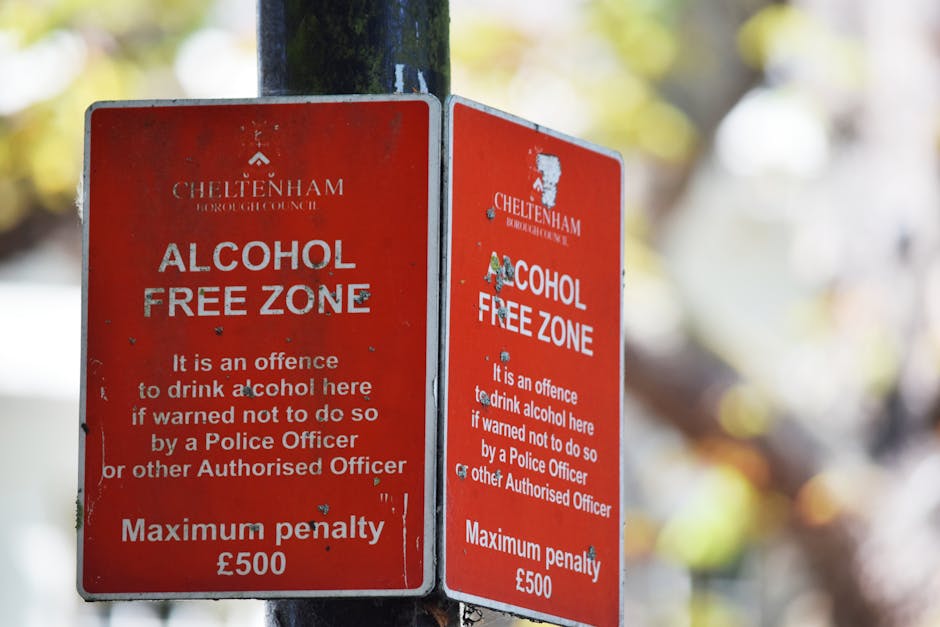
Wandsworth Council Rules for Hazardous Waste in Putney
Posted on 18/06/2026
Wandsworth Council Rules for Hazardous Waste in Putney: A Practical Local Guide
If you live, work, or manage property in Putney, hazardous waste is one of those topics that can sneak up on you. A broken fluorescent tube, a can of old paint, a leaking battery, or leftover chemicals from a DIY job can all create a problem fast. The Wandsworth Council Rules for Hazardous Waste in Putney are there to help people handle those materials safely, legally, and without turning a small household job into a bigger mess than it needs to be.
This guide breaks the subject down in plain English. You will learn what counts as hazardous waste, why the rules matter, how disposal usually works locally, and what to do if you are unsure about an item in your home, flat, office, or rental property. It is written for real life, not for people who enjoy reading regulations over breakfast.
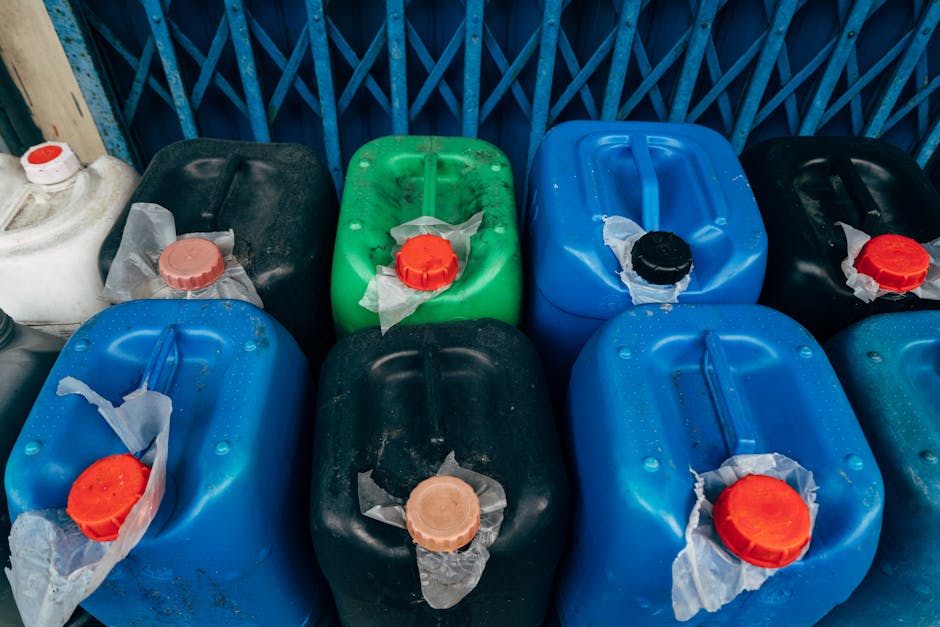
Why Wandsworth Council Rules for Hazardous Waste in Putney Matters
Hazardous waste is not just a council admin issue. It is a safety issue, a contamination issue, and in some cases a legal issue. In a busy area like Putney, where homes, offices, shops, and rental properties sit close together, the wrong disposal choice can affect more than just one bin day. Spilled chemicals, sharp sharps, broken batteries, and contaminated containers can harm cleaners, residents, waste crews, and anyone handling the rubbish later on.
To be fair, most people do not intentionally get this wrong. The usual problem is uncertainty. Is a half-used tin of paint ordinary rubbish? Can you bin a single battery? What about bleach, solvent-based cleaners, or old garden chemicals? Those are the awkward bits. And they matter because hazardous items often need separate handling, secure containment, or a special drop-off route rather than a normal household bin.
In Putney, the practical side is simple: the better you sort waste at the start, the fewer headaches later. That is especially true for landlords, cleaners, small offices, and anyone dealing with end-of-tenancy clear-outs. If you already care about keeping homes and shared spaces in good shape, you may also find the advice in our end of tenancy cleaning in Putney and house cleaning support pages useful when waste removal is part of a wider property reset.
Expert summary: If something is corrosive, flammable, poisonous, pressurised, infectious, or electrically risky, pause before binning it. Check the item, keep it contained, and use the safest approved disposal route available to you.
How Wandsworth Council Rules for Hazardous Waste in Putney Works
The basic idea behind hazardous waste rules is straightforward: items that could harm people or the environment should not be mixed with everyday rubbish unless the local system explicitly allows it. That means households and businesses need to separate suspect materials and dispose of them in the way that best fits the item type.
In practice, this usually means one of four things. Some items can go into specialist collection streams. Some need to be taken to a designated drop-off point. Some must be kept in the original container and sealed. And a few, especially larger or commercial quantities, may need a licensed waste contractor. The exact route depends on the material, the amount, and whether it came from a home, office, or trade setting.
For Putney residents, the most useful approach is to think in categories rather than guessing item by item:
- Household chemicals: cleaners, solvents, bleach, paint-related products, and similar substances.
- Batteries and electrical waste: handheld batteries, damaged devices, cables, and small electronics.
- Sharp or contaminated items: needles, broken glass mixed with chemicals, or anything with residue that could injure or infect.
- Bulky or unusual items: larger containers, leftover building products, or materials from renovation work.
There is also a useful distinction between household and commercial waste. A few old paint tins from decorating a flat are very different from leftover waste from a shop refit or office maintenance job. If you manage premises, this separation is not optional. It shapes how the waste should be booked, stored, transported, and documented.
One practical note that people often miss: even when an item is small, it can still be hazardous. A tiny aerosol can left with general waste can become a problem if it is crushed, pierced, or heated. Not dramatic, but not something you want in the back of a collection vehicle either.
Key Benefits and Practical Advantages
Following the right hazardous waste process does a lot more than help you tick a box. It saves time, reduces risk, and keeps your home or business calmer. Here are the main advantages, in plain terms.
| Benefit | What it means in real life | Why Putney residents notice it |
|---|---|---|
| Safer handling | Less chance of spills, burns, fumes, or cuts | Useful in flats, shared hallways, and small storage spaces |
| Cleaner storage | Items stay contained instead of leaking into bins or cupboards | Important in compact Putney kitchens and utility areas |
| Better compliance | You avoid casual disposal habits that can cause trouble later | Especially relevant for landlords, cleaners, and office managers |
| Fewer collection problems | Waste crews are less likely to reject or flag a mixed load | Helpful where bins are shared or space is tight |
| Less environmental risk | Dangerous substances are kept out of normal waste streams | A simple win, honestly, even if nobody claps for it |
The biggest practical advantage is peace of mind. Once you know the route, you stop second-guessing every container in the cupboard under the sink. That sounds minor, but it is the difference between a smooth clear-out and a weekend of "can I throw this away?" uncertainty.
For businesses, especially local offices and retail spaces, good waste handling also supports a more professional environment. If your team already invests in tidy workspaces, it fits neatly alongside office cleaning in Putney and broader site care from the services overview. Clean spaces and safe disposal tend to go hand in hand.
Who This Is For and When It Makes Sense
This topic matters to more people than you might think. It is not only for builders or industrial sites. In Putney, the people most likely to need a clear hazardous waste plan include:
- Homeowners clearing out garages, sheds, or DIY leftovers
- Tenants moving out and finding old products left behind
- Landlords and letting agents managing turnarounds between occupants
- Cleaners and property caretakers dealing with mixed waste during deep cleans
- Office managers disposing of electronics, batteries, toner, or maintenance products
- Shops and small businesses handling cleaning chemicals, display materials, or damaged stock
- Tradespeople working on renovation, decoration, or repair jobs
It makes sense any time the waste is awkward, sealed, smelly, potentially corrosive, or simply not something you would comfortably put in a kitchen bin. If you are staring at a shelf of half-used cans and thinking, "Right, now what?", that is your cue to slow down.
There is also a seasonal angle. Spring clear-outs, post-renovation jobs, and the rush before a tenancy ends often create more hazardous waste than people expect. One moment it is a quick tidy-up; the next, you are sorting old varnish, batteries, and broken bulbs at 8pm with the window open because the smell is a bit much.
Step-by-Step Guidance
If you want a sensible, low-stress way to handle hazardous waste in Putney, use this process. It is simple, but simple is good here.
- Identify the item carefully. Read the label, check the container, and look for warning symbols, residue, or damage.
- Separate it immediately. Keep hazardous items apart from general rubbish, recycling, and food waste.
- Leave it in a secure container. If possible, keep the original packaging. Do not transfer unknown liquids into random bottles.
- Prevent leaks and breakage. Put fragile items in a box or tray and keep lids tightly closed.
- Decide whether it is household or commercial waste. This changes how it should be managed and who should handle it.
- Choose the right disposal route. Use the council route, a specialist collection, or a licensed provider where appropriate.
- Keep records if you are a business. Notes, receipts, and collection details help prove proper handling later.
If you are dealing with a property clear-out, it often helps to sort hazardous waste before the main cleaning begins. That way cleaners are not working around open tins, loose sharps, or chemical residue. For some jobs, it may even sit alongside deep-cleaning work such as domestic cleaning in Putney or upholstery cleaning in Putney, especially where contamination has spread into fabrics or soft furnishings.
And yes, the boring step is the important step. Label first, move second, dispose third. Not the other way round.
Expert Tips for Better Results
When people get hazardous waste wrong, it is usually because they rush. A few small habits make a big difference.
- Keep original labels whenever possible. They help identify the substance quickly and safely.
- Store chemicals upright and dry. A leaking bottle in a damp cupboard is asking for trouble.
- Do not mix leftover chemicals. Two harmless-looking products can react badly when combined.
- Take batteries out of devices if you can do so safely. Loose batteries need special care, especially if damaged.
- Put broken glass or sharps into rigid containers. Never leave them wrapped loosely in paper or thin bags.
- Plan disposal before a big clean starts. That saves you from storing a hazardous pile in the corner "just for now".
One thing we see again and again: people assume a product is harmless because it is mostly empty. Not always. Residue can still matter, especially with solvents, sprays, or strong cleaners. A nearly empty aerosol can still has pressure inside it. The same goes for old tins of paint that look dry on top but are not fully inert underneath. Annoying, yes. Important, also yes.
For local property work, it can help to align waste handling with other safety routines, such as those described in our health and safety policy and insurance and safety information. The broader principle is the same: reduce avoidable risk before it becomes a problem.
Common Mistakes to Avoid
Let's face it, most mistakes happen because people are trying to be efficient. But hazardous waste is one area where speed can backfire.
- Putting hazardous items in general waste. This is the big one. It can create safety issues later in the chain.
- Leaving lids loose or containers open. Fumes, spills, and leaks are all easier to prevent than to clean up.
- Mixing different products together. That can create dangerous reactions, or at the very least, make disposal harder.
- Ignoring small items like batteries or bulbs. Small does not mean harmless.
- Assuming all waste is treated the same. Household and commercial waste often follow different expectations.
- Waiting until the last minute. Then everything becomes urgent, which is exactly when mistakes creep in.
A slightly less obvious mistake is failing to ask whether a job needs specialist handling before work starts. For example, if a flat has water damage, old cleaning products, damaged electricals, or mould-contaminated materials, the clean-up stage can be more complex than expected. In those situations, a fast response from emergency flood cleaning services in Putney may be part of the wider solution, not just a separate task.
There is no prize for pretending a questionable container is "probably fine." Better to check twice than learn the hard way. We have all done the shortcut once or twice, and it rarely ages well.
Tools, Resources and Recommendations
You do not need a warehouse of equipment to manage hazardous waste properly. A few basic tools make the process much easier.
- Sturdy gloves: useful for moving dusty, sharp, or contaminated items.
- Rigid boxes or tubs: better than soft bags for bulbs, glass, or broken items.
- Permanent marker: handy for labelling containers clearly.
- Sealable bags: for small loose items, especially batteries or minor debris.
- Absorbent material: can help contain minor leaks while you wait for proper disposal.
- Simple inventory notes: especially useful for landlords, offices, and shops.
For larger clear-outs, a bit of planning is worth more than any fancy tool. Sort items into keep, recycle, general waste, and hazardous. That four-way split sounds almost too simple, but it works.
If you are preparing a property for new occupants, the combination of waste sorting, cleaning, and careful documentation can save a lot of time later. Our pricing and quotes page may also help you understand how wider cleaning work is typically arranged when the job is more than a simple wipe-down. And for owners comparing levels of service, the about us page gives a good sense of the standards behind the work.
Law, Compliance, Standards, or Best Practice
Hazardous waste in the UK sits within a broader legal and environmental framework, and councils apply local processes within that framework. In simple terms, the duty is to store, separate, and dispose of waste responsibly rather than dumping it into ordinary rubbish streams.
For homeowners, the main issue is safe household disposal. For businesses, the bar is higher. Offices, retailers, landlords, and trades often need to consider secure storage, correct classification, reliable transfer arrangements, and records that show the waste was handled properly. If you run a business, do not treat hazardous waste as a side note. It is part of your operational housekeeping.
Best practice usually means:
- identifying hazardous items before disposal;
- keeping them separate from ordinary waste;
- using appropriate containers and labels;
- choosing a legitimate disposal route;
- keeping evidence of disposal where records are expected;
- training staff or household helpers so the same mistake is not repeated.
It is also wise to align waste handling with wider site policies. If you work in a managed building or office, the waste routine should fit alongside security, access control, and cleaning routines. That is especially relevant in places with shared entrances or compact storage areas, where one unattended box can create a nuisance very quickly.
Put simply: compliance is not only about avoiding penalties. It is about proving you have taken reasonable care. That is the part that matters day to day.
Options, Methods, or Comparison Table
There is rarely just one way to handle hazardous waste, so comparing the common options helps. The right choice depends on quantity, risk, and whether the waste is household or commercial.
| Method | Best for | Pros | Watch-outs |
|---|---|---|---|
| Household sorting and normal council route | Small domestic items | Simple and often low effort | Only suitable if the item type is actually accepted |
| Specialist drop-off or collection | Chemicals, paints, bulbs, batteries, mixed awkward items | Safer and more controlled | May require planning and proper packaging |
| Licensed waste contractor | Businesses, larger quantities, renovation waste | Good for compliance and documentation | Can cost more and needs coordination |
| Mixed-collection convenience approach | Rarely the right choice for hazardous items | Fast in theory | Most likely to create mistakes, contamination, or rejection |
If your situation is messy, choose the safer method rather than the quickest one. That usually means a separate collection or a properly managed specialist route. Speed is nice. Safety is nicer.
Case Study or Real-World Example
A Putney landlord preparing a two-bedroom flat for new tenants found several old items in a cupboard: a partly used paint tin, an aerosol cleaner, dead batteries, and a cracked fluorescent tube. Nothing dramatic, just the sort of leftovers that accumulate when people live somewhere for years and never quite sort the utility cupboard.
Instead of leaving everything for the general clearance team, the landlord separated the items first. The batteries were boxed, the fluorescent tube was wrapped securely, and the cleaner and paint tin were kept upright and labelled. The main clean could then go ahead without the team worrying about accidental spills or breakage.
The result was simple but useful: less risk, less confusion, and less time spent stepping around "what is this?" items. That is the real win with hazardous waste rules. They stop a small problem from becoming a costly interruption.
And honestly, this happens all the time. A property looks almost finished, then someone opens one final cupboard and finds the weird collection of odds and ends that nobody wanted to deal with. The good news? Once separated properly, these items are usually manageable. Not pleasant, perhaps, but manageable.
Practical Checklist
Use this checklist before you dispose of anything that might be hazardous.
- Have I identified the item and read the label?
- Does it have warning symbols, smell, residue, or pressure inside the container?
- Have I kept it separate from general waste and recycling?
- Is the lid secure and the container upright?
- Have I checked whether it is household or commercial waste?
- Do I need a specialist collection or a licensed contractor?
- Have I protected it from leaks, punctures, and breakage?
- Do I need to record disposal for property, office, or compliance reasons?
- Have I told everyone involved not to mix or move it casually?
- Is the waste clear-out scheduled so hazardous items are handled first?
If you can tick those boxes, you are in a much better place. Not perfect, maybe, but properly organised, which is what matters.
Get a free quote today and see how much you can save.
Conclusion
Wandsworth Council rules for hazardous waste in Putney are really about one thing: handling awkward materials safely and sensibly before they become a bigger problem. Once you know how to spot hazardous items, separate them, and choose the right disposal route, the whole process becomes much less intimidating.
For Putney residents, landlords, offices, and shops, the best approach is calm and methodical. Identify, isolate, label, and dispose correctly. That rhythm works better than rushing, and it protects both people and places. If the job is part of a larger clean or move-out, build the waste step into the plan early. You will notice the difference almost immediately.
And if you have ever stood in front of a half-empty tin of something suspicious, wondering whether it belongs in the bin or not, you are definitely not alone. A careful five-minute check now can save a very messy afternoon later.
Keep it simple, keep it safe, and keep going. That is usually enough.